Palms, CA · Los Angeles County
Wall Mold Removal in Palms, CAMold Damaged Paint Removal & Black Mold Removal
Wall Mold Removal in Palms includes mold spore air scrubbing, wallpaper mold remediation, and drywall mold removal.
Answered 24/7
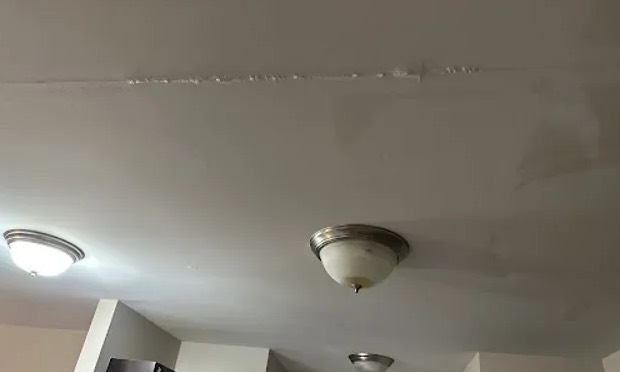
Comprehensive Wall Mold Removal in Los Angeles County
Mold growth on interior walls in Palms can compromise structural materials and indoor air quality quickly. Prompt wall mold removal is crucial to prevent further damage and potential health concerns.
The mold remediation process for wall mold in Palms, Culver City, Cheviot Hills and West Los Angeles focuses on source elimination and prevention. Local wall mold specialists handle wallpaper mold remediation to mold prevention treatments, documenting damage for insurance claims.
Scope of Wall Mold Removal Work
Mold Damaged Paint Removal
Mold damages paint's integrity. Local wall mold specialists remove all unsalvageable paint, clean the substrate, and apply a sealant that locks in any remaining microscopic spores, creating a sound base for a new, durable finish.
Black Mold Removal
Suspected black mold warrants a professional approach. The specialists use personal protective equipment and engineering controls to safely remove the mold colony, then perform post-remediation verification to confirm the air is safe.
Drywall Mold Removal
When mold penetrates drywall, painting over it or using bleach fails. Professional drywall mold removal requires physically removing the contaminated material. The specialists ensure proper containment to protect the home's air quality during the remediation.
Mold Spore Air Scrubbing
Air scrubbing is a vital containment step. These powerful machines create negative air pressure, pulling spore-laden air through a series of filters. This controlled environment prevents cross-contamination, ensuring the remediation is effective and contained.
Mold Prevention Treatments
Effective mold prevention goes beyond cleaning. The specialists use mold-resistant primers and paints on vulnerable surfaces and may recommend humidity control strategies tailored to your home's specific needs to address the underlying cause.
Warning Signs You Need Wall Mold Remediation
Warped or Soft Drywall
Drywall that feels spongy or appears bulged suggests water damage and potential mold, requiring immediate drywall mold removal.
Past Water Leak History
Any previous leak, even if dried, may have left moisture in wall cavities, leading to later mold issues.
Health Symptoms in Pets
If pets show lethargy or respiratory distress, consider hidden mold sources in your home's walls and schedule a mold inspection.
Deteriorating Wood Baseboards
Soft, crumbling wood trim adjacent to walls can indicate spreading moisture and mold, complicating the mold remediation process.
How Wall Mold Removal Works in Palms
Step 1: Assessment and Moisture Mapping
The process starts by locating all moisture sources fueling the mold growth. This assessment determines the scope of work and potential wall mold removal cost.
Step 2: Black Mold Removal and Treatment
Using personal protective equipment, pros physically remove all mold-infested materials like drywall or wallpaper. Cavities are then treated with EPA-registered antimicrobial agents.
Step 3: Mold Spore Air Scrubbing
High-efficiency particulate air scrubbers and negative air machines are deployed to filter the air, removing mold spores and ensuring professional mold remediation standards.
Step 4: Drying and Prevention Advice
Affected areas are thoroughly dried using industrial equipment. Before leaving, pros may offer guidance on mold prevention treatments to reduce future risk.
Common Sources of Wall Mold Growth
Ineffective Bathroom Vent Fans
A weak or unused exhaust fan allows steam from showers to permeate walls, requiring bathroom wall mold cleanup later.
Roof or Plumbing Leaks
Slow, hidden leaks from pipes or a compromised roof introduce moisture into wall cavities, a primary cause of wall mold.
Landscaping Grading Issues
Soil sloping toward the foundation directs groundwater against basement or crawlspace walls, promoting moisture and mold growth inside.
Chronic High Indoor Humidity
Poor ventilation from showers or cooking raises humidity, allowing mold spores to settle and grow on cooler wall surfaces.
Residential and Commercial Wall Mold Solutions
Residential Wall Mold Removal
Mold on interior walls in homes threatens structure and air quality. The experts conduct mold spore cleanup and drywall mold treatment to eliminate odors and visible growth.
Commercial Wall Mold Removal
Office buildings and schools need discreet, effective mold solutions. The approach combines moisture mapping, professional mold remediation of affected walls, and HVAC cleaning to ensure a safe environment.
The Risks of DIY Wall Mold Removal
Wiping condensation from windows and walls helps manage moisture. When mold is present, determining how to remove mold from drywall correctly requires specialized equipment and IICRC-standard methods used by pros.
Budgeting for Wall Mold Removal in Palms
The investment for toxic mold removal varies per project in Los Angeles County. Key determinants include the number of walls involved, the depth of mold damage into building materials, and the required post-remediation verification testing to ensure air quality.
Post-Remediation Verification
A final mold inspection and testing by a third party to confirm successful cleanup is a common project closure step.
Accessibility Challenges
Mold in tight wall cavities or behind finished surfaces requires more time and careful demolition for proper access and treatment.
Affected Building Materials
Costs differ between mold damaged paint removal, drywall mold removal, and more complex wallpaper mold remediation or treating structural wood.
Does Insurance Cover Wall Mold Removal?
Insurance may cover how to remove mold from drywall only if the cause is a covered peril. The specialists document the damage progression. Homeowners should get coverage clarification from their insurer.
Why Choose Expert Wall Mold Removal
Safety-Oriented Demolition
Careful access into wall cavities minimizes dust and disturbance, allowing for effective wall cavity mold remediation when needed.
IICRC-Standard Remediation Protocols
The work follows established industry standards for containment, removal, and cleaning to address mold at its source and prevent recurrence.
Material Removal Precision
Affected drywall or insulation is carefully removed and bagged on-site to avoid spreading contamination during mold damaged paint removal.
24/7 Emergency Help for Wall Mold Removal
Extensive mold growth requires 24/7 support. Call (424) 352-7369 to start the professional mold remediation process. Early action from the specialists helps manage the situation, begin documentation, and plan for effective mold spore cleanup.
Call Now (424) 352-7369Areas Served for Wall Mold Removal
Other places served are listed below, each with its own page.
Frequently Asked Questions About Wall Mold Removal
Why is mold spore air scrubbing necessary during remediation?
Air scrubbing with HEPA filters is critical to capture airborne mold spores stirred up during removal work, preventing them from settling and causing new growth in other areas of your home after the main cleanup.
What happens during mold damaged paint removal?
Paint blistered or stained by mold moisture must be scraped or sanded off. The underlying surface is then cleaned, treated, and must be completely dry before new primer and paint can be properly applied.
Will removing moldy drywall stop the smell in my house?
Removing the contaminated material is the major first step. The smell often persists until all spores are removed via air scrubbing and surfaces are deep cleaned. Identifying and fixing the moisture source is also key.
What are mold prevention treatments applied after removal?
These are EPA-registered antimicrobial coatings applied to cleaned, dry surfaces like wall studs and subflooring to inhibit future fungal growth. They are part of a complete strategy that includes moisture control.
What is the process for professional wall mold removal?
The mold remediation process involves containment of the area, removal of contaminated materials like drywall, HEPA vacuuming and cleaning of surfaces, application of antimicrobials, and air scrubbing to remove spores, followed by drying and verification.