Cheviot Hills, CA · Los Angeles County
Roof Leak Water Removal in Cheviot Hills, CAWet Contents Protection & Attic Water Extraction
Roof Leak Water Removal in Cheviot Hills includes emergency roof tarping, ceiling water damage cleanup, wall cavity drying and wet contents protection.
Answered 24/7
Water From a Roof Leak in Cheviot Hills, California
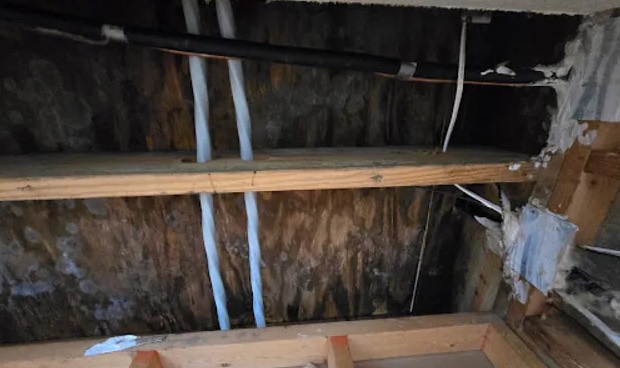
Water from a roof leak lands on the ceiling first. Drywall can hold only so much before it sags, so getting water out of the attic quickly protects the room below.
Roof leak water removal is available in Cheviot Hills and nearby Palms, West Los Angeles and Culver City. The pros tarp the opening if needed, extract the water and dry the attic framing and ceiling drywall.
Roof Leak Water Removal Work in Cheviot Hills
Wet Contents Protection
Furniture, rugs and boxes under the leak are moved, blocked up or covered. Wet items are listed and photographed before they are dried or set aside.
Attic Water Extraction
Water that pools on attic floors, vapor barriers or ceiling drywall is pulled out with wet vacuums and portable extractors before it soaks through to the room below.
Structural Drying Services
Wet framing in Cheviot Hills attics is dried with directed airflow and dehumidification. Daily readings show when the wood is dry enough for repairs.
Emergency Roof Tarping
A heavy tarp is fastened over the damaged section so rain stops coming in while the inside is dried. A roofer makes the permanent repair later.
Ceiling Water Damage Cleanup
Ceiling cleanup covers the drywall, texture and any wet insulation resting on it. Readings decide whether a panel can be dried in place or must be replaced.
How to Tell Water Is Coming Through the Roof
Peeling Paint on Upper Walls
Bubbling or peeling paint near the ceiling line on exterior walls points to water running down inside the wall.
Musty Smell After Rain
A damp, musty smell that gets stronger after storms often means insulation in the attic is staying wet.
Dark Spots on Attic Wood
Dark streaks or spots on rafters and roof decking show where water has been running or sitting for a while.
Gutters Spilling Over the Roof Edge
Gutters that overflow toward the house during storms can push water under the shingles and into the wall top plates.
How Roof Leak Water Removal Works in Cheviot Hills
Step 1: Safety Check
Power to wet ceiling fixtures is shut off and sagging areas are marked so no one walks under them during the work.
Step 2: Roof Tarp and Extraction
The roof is tarped if rain is still possible, then water is removed from the attic, ceiling cavities and floors.
Step 3: Drying Setup
Dehumidifiers and air movers are placed in the attic and the rooms below so both levels dry at the same time.
Step 4: Final Readings
When the wood and drywall read dry, equipment is removed and the roofer and drywall repairs can be scheduled.
What Causes Roof Leaks in Cheviot Hills Homes
Skylight Seals
Skylight gaskets and curb flashing wear out, and water runs into the shaft and down the drywall around the opening.
Open Roof Valleys
Valleys carry the most water on a roof. Worn or poorly sealed valleys let that concentrated flow into the decking.
Storm Debris and Hail
Falling branches and hail can crack shingles or puncture the deck, opening a direct path for rain into the attic.
Aging Roofing Materials
As shingles age they curl, lose granules and crack, and slow leaks start where the roof covering has worn thin.
Roof Leaks in Cheviot Hills Homes and Commercial Buildings
Residential Roof Leak Water Removal
For homeowners, drying the attic and ceiling before stains spread can save the drywall. Moisture readings show what can stay and what has to come out.
Commercial Roof Leak Water Removal
Property managers get moisture readings and photos for each affected unit or suite, which helps when several tenants and an owner's insurer are involved.
Roof Leak Cleanup: DIY or Professional in Cheviot Hills
Fans and a household dehumidifier help a damp room, but they rarely dry an attic or a soaked ceiling. Wet insulation needs to come out first.
Roof Leak Water Removal Cost in Cheviot Hills, CA
A single stain over one room costs far less to dry than a leak that soaked the attic for weeks. Tarping, insulation removal and drywall cuts each add to the total.
Attic Access
Low, tight attics with little floor to stand on take longer to work in than open attics with a walkway.
Insulation Removal
Bagging and hauling soaked insulation takes labor, and the attic needs new insulation once the framing is dry.
Ceiling Drywall
Ceilings that can be dried in place cost less than ones that sag or crumble and have to be cut out and replaced.
Does Insurance Cover Roof Leak Water Removal?
Call your insurer soon after you find the leak. Photos of the ceiling, attic and roof, plus the moisture readings, help the adjuster review the claim.
Why Roof Leaks Need Professional Drying in Cheviot Hills
Wet Insulation Handled
Soaked insulation is bagged and removed so the ceiling and framing can dry instead of staying damp under it.
Drying to Measured Targets
Drying stops only when meters show the wood and drywall are dry, not when the surface looks dry.
Contents Moved Out of Harm
Belongings under the leak are moved, covered or dried so they do not keep soaking while the attic is worked on.
Around-the-Clock Roof Leak Water Removal in Cheviot Hills
Water coming through the ceiling during a storm in Cheviot Hills? Call (424) 352-7369 24/7. The pros can tarp the roof and remove water from the attic before the ceiling gives way.
Call Now (424) 352-7369Local Roof Leak Water Removal Coverage for Cheviot Hills
Each place listed below has its own page with local details.
- Roof Leak Water Removal in Palms
- Roof Leak Water Removal in Playa Del Rey
- Roof Leak Water Removal in Playa Vista
- Roof Leak Water Removal in Del Rey
- Roof Leak Water Removal in Venice Beach
- Roof Leak Water Removal in Westchester
- Roof Leak Water Removal in Baldwin Hills
- Roof Leak Water Removal in Redondo Beach
Questions About Roof Leak Water Removal
What is roof leak water removal?
It is the work of getting rainwater out of the attic, ceiling, walls and floors after a roof leak and drying the structure. The roof repair itself is done by a roofer.
How is water removed from an attic?
Standing water is pulled out with wet vacuums and extractors, then soaked insulation is removed so the ceiling and framing can be dried.
Are old ceiling stains a sign of an active leak?
Not always. A dry stain may be from a past leak. A stain that is damp, growing or bulging means water is still getting in.
What does emergency roof tarping involve?
A heavy tarp is laid over the damaged area and fastened down so rain stops coming in. It stays until a roofer makes the permanent repair.
How do the pros find where a roof is leaking?
They trace the water from the stain up into the attic, follow it along the rafters and decking, and use moisture meters to find the entry point.