Santa Monica, CA · Los Angeles County
Mold Remediation in Santa Monica, CAMold Damage Cleanup & Mold Inspection Services
Mold Remediation in Santa Monica covers mold prevention services, mold damage cleanup and emergency mold removal from local mold removal experts.
Answered 24/7
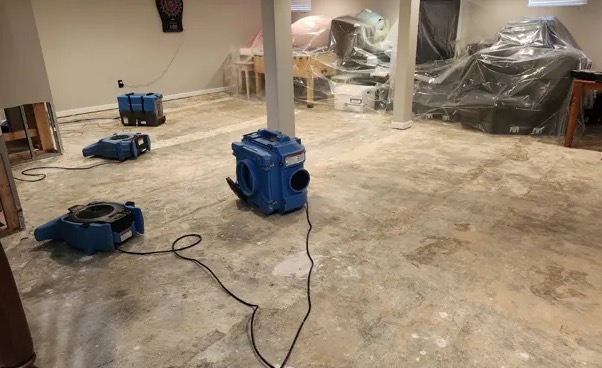
Professional Mold Remediation in Santa Monica
In Santa Monica, roof leaks and poor attic ventilation are common sources of attic mold, which often spreads across the sheathing before anyone notices.
In Santa Monica and nearby Downtown Santa Monica, Ocean Park and Venice, pros remove mold from walls and attics, test air quality where needed and document the work with photos.
Mold Remediation Services in Santa Monica
Mold Damage Cleanup
Pros clean the contained area, clean affected air ducts and bag and remove all waste before the job is closed.
Mold Inspection Services
Inspection comes before removal: pros look for mold, measure moisture and check air quality signs to plan the work.
Mold in Attic Cleanup
Attic mold usually comes from a roof leak or poor ventilation. Pros find the moisture source, remove moldy insulation and clean the rafters and sheathing.
Mold in Walls Removal
Peeling paint or bulging drywall can mean mold inside the wall. Pros in Santa Monica contain the area, remove the damaged sections and treat the studs.
Basement Mold Remediation
Pros remove moldy basement materials, clean surfaces with EPA-registered products and point out the moisture source that caused it.
Signs Your Santa Monica Home Needs Mold Remediation
Warped or Stained Drywall
Stained or warped drywall or wood has usually been damp for a while, which is when mold starts.
Dark Stains on Ceiling Tiles
Stained ceiling tiles, especially under bathrooms or the roof, often hide mold above them.
Visible Mold Spots or Patches
Black, green or white fuzzy spots on walls, ceilings or baseboards are mold.
Recent Water Damage History
Past leaks, floods or condensation leave the damp conditions where mold can start within 48 hours.
How Mold Remediation Works in Santa Monica
Step 1: Visual and Moisture Inspection
Pros look for every moisture source and all visible mold, with meters to back it up.
Step 2: Source Repair and Isolation
The leak or moisture problem is repaired, then the area is isolated before removal.
Step 3: Mold Elimination and Debris Removal
Mold is removed from surfaces, by cleaning or by taking out the material, and all debris is hauled away.
Step 4: Final Drying and Air Testing
A final drying phase removes leftover moisture, and air testing can confirm the result.
Leading Causes of Mold in Santa Monica Properties
Inadequate Attic Ventilation
Poor attic airflow traps warm, damp air, which condenses on cold sheathing and grows mold.
Foundation Cracks and Seepage
Cracks in the foundation or slab let groundwater seep in and keep lower floors damp.
Appliance Malfunctions and Overflow
Failed washer hoses, water heaters or ice maker lines cause leaks that grow mold if not dried.
Flooding and Storm Water Backup
Flooding soaks building materials, and mold follows if they are not dried quickly.
Mold Remediation for Homes and Businesses in Santa Monica
Residential Mold Remediation
Home mold often starts with a roof leak in the attic or a plumbing leak behind a wall. Pros remove it and keep living areas sealed off during the work.
Commercial Mold Remediation
Commercial buildings get mold from roof leaks, tenant plumbing and humidity from heavy use. Pros handle offices, stores and warehouses to industry standards.
Professional Mold Remediation or Do-It-Yourself?
Dry a small clean-water spill within 24 to 48 hours to prevent mold. If materials stayed wet longer or you suspect hidden moisture, testing and drying equipment are needed.
What Influences Mold Remediation Expenses in Santa Monica
The level of protective gear needed and any after-hours emergency service both affect the final cost in Santa Monica.
Content Cleaning Needs
Cleaning furniture, documents and other belongings exposed to spores adds to the project.
Mold Type and Location
Black mold or mold in tight spaces like walls and attics needs stricter safety steps, which costs more.
Extent of Infestation
The square footage affected is the main cost driver; more area means more labor, materials and containment.
Does Insurance Cover Mold Remediation?
Your insurer will look at what caused the mold. Pros in Santa Monica can document the damage and its likely source; the decision stays with the insurer.
Why Local Help Matters for Mold Remediation in Santa Monica
IICRC-Standard Remediation Methods
Containment, removal and cleaning follow published industry standards, so each step can be checked.
Moisture Source Identification
Finding and fixing the water or humidity problem keeps mold from coming back.
Comprehensive Damage Documentation
Photos and moisture maps give you a record for your own files or your insurer.
Emergency Mold Remediation for Santa Monica Homes
Active mold growth spreading after a leak? Call (424) 352-7369 any time, day or night, for emergency mold removal in Santa Monica.
Call Now (424) 352-7369Mold Remediation Services Throughout Los Angeles County
From emergency removal to clearance testing, mold removal experts work throughout Santa Monica, and in nearby places including Downtown Santa Monica, Ocean Park and Venice.
Frequently Asked Mold Remediation Questions
What are the health risks of black mold?
Black mold can trigger allergies, asthma attacks and breathing irritation, especially in children and sensitive people.
Is mold air quality testing necessary after cleanup?
It is a common final step. It shows whether indoor spore levels match an outdoor sample.
What is the difference between mold removal and remediation?
Removal means cleaning off visible mold. Remediation also finds the moisture source, contains the area, removes contaminated materials and dries the space.
Can mold in attic spaces affect the whole house?
Yes. Spores from attic mold can travel through the HVAC system or air currents into living areas.
What is included in mold prevention services?
Better attic or crawl space ventilation, dehumidifiers, antimicrobial coatings and advice on keeping the home dry.