Westmont, CA · Los Angeles County
Whole-Building Fire & Smoke Odor Removal in Westmont, CAFire Damaged Material Removal & Air Scrubbing For Whole Buildings
Whole-Building Fire & Smoke Odor Removal in Westmont pairs whole-house air scrubbing, HVAC duct smoke cleaning, and fire damaged material removal.
Answered 24/7
Professional Whole-Building Fire & Smoke Odor Removal in Westmont, CA
Smoke travels through wall cavities, ducts, and attics, leaving residue far from the fire. Treating only the rooms that smell worst often lets odor come back later.
Homes in Westmont and nearby areas like Hawthorne, Inglewood and Lennox share building styles that affect how smoke spreads through attics and walls. Local smoke odor elimination experts fog and ozone-treat the materials found in these homes.
Advanced Fire Odor Removal Techniques
Fire Damaged Material Removal
Burned drywall, melted plastics, and wet insulation cannot be cleaned, so the professionals remove and dispose of them.
Air Scrubbing for Whole Buildings
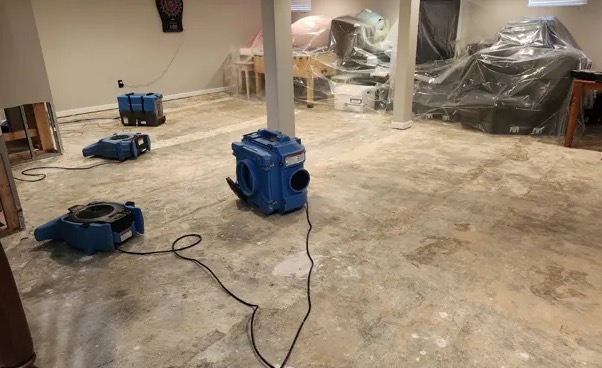
Air scrubbing clears airborne particles early in the cleanup, which keeps soot off surfaces and contents during later treatments.
Thermal Fogging Deodorization
Thermal fogging targets strong odors in porous materials, reaching residue behind cabinets and in ceiling spaces.
HVAC Duct Smoke Cleaning
The professionals clean the blower, coil, and ducts, since a dirty system holds odor and spreads it each time it runs.
Whole-House Air Scrubbing
Air scrubbers cycle all the air in the home through filters, removing particles so they do not settle again on cleaned surfaces.
Indicators That DIY Odor Removal Has Failed
Odor Returns After Opening Windows
When airing out the house does not clear the smell, smoke odor has worked its way into walls, floors, or furniture.
Discolored or Stained Fabrics
Yellowed or grayed curtains, upholstery, or clothing have absorbed smoke and usually need special cleaning to lose the odor.
Odor Stronger on Humid Days
A smoke smell that gets stronger on damp days means odor is trapped in porous materials and released when moisture rises.
Soot in Electrical Outlets
Fine soot inside outlets and behind switch plates shows smoke reached into wall cavities, not just room surfaces.
How Whole-Building Fire & Smoke Odor Removal Works in Westmont
Step 1: Assessment and Containment
Pros check how far smoke spread and set up plastic barriers so odor and soot do not reach clean rooms.
Step 2: Whole-House Air Scrubbing
Air scrubbers with HEPA and carbon filters run continuously to pull soot and odor particles out of the air.
Step 3: Thermal Fogging Deodorization
A heated deodorizing fog is released so it reaches into porous materials and breaks down odor at the source.
Step 4: Surface Cleaning and Sealing
Surfaces are cleaned in detail, then porous ones are sealed with odor-blocking primer before repainting.
Common Causes of Persistent Fire Odor
Inadequate Ventilation During Fire
With windows and doors closed during a fire, smoke stays concentrated indoors and soaks deeper into materials.
Secondary Water Damage
Water used to fight the fire can spread soot into new areas and carry odor into floors and wall cavities.
Contaminated HVAC Ductwork
An HVAC system running during a fire pulls smoky air into the ducts and coats their insides with soot.
Thermal Movement of Odor Particles
Heat from a fire pushes smoke and odor into small cracks and gaps throughout the structure.
Fire Odor Removal for All Property Types
Residential Whole-Building Fire & Smoke Odor Removal
Homeowners need both the structure and their belongings treated. Pros clean personal items and fog the building so the smell leaves the whole living space.
Commercial Whole-Building Fire & Smoke Odor Removal
Restaurants and stores need merchandise, equipment, and ductwork cleaned so smoke odor does not drive customers away after reopening.
Why Whole-Building Fire & Smoke Odor Removal Requires Fire Restoration Professionals
Lift loose soot with a dry chemical sponge or HEPA vacuum instead of wiping it. Wash fabrics that can be washed. If the smell returns after cleaning, call the experts.
Factors Affecting Whole-Building Fire & Smoke Odor Removal Expenses
Price grows with the square footage treated and how severe the fire was. A small kitchen fire costs far less than smoke through a whole building.
Severity of Smoke Penetration
Heavy smoke residue needs more cleaning passes and repeat treatments than light surface soot does.
Affected Material Types
Porous materials like drywall and upholstery often need special treatment or removal, which adds work.
Building Square Footage
Larger buildings need more labor time and more deodorizing solution to cover every room.
Does Insurance Cover Whole-Building Fire & Smoke Odor Removal?
Whether insurance covers smoke odor removal is the adjuster's decision. The experts provide reports and photos to support your conversation with the insurer.
The Advantage of Local Fire Odor Specialists
Residual Odor Prevention
Sealing porous surfaces locks in trace odor that cleaning misses, so it does not return after repairs.
Specialized Odor Removal Equipment
Ozone generators, thermal foggers, and HEPA scrubbers are built for odor work that household tools cannot do.
HVAC System Decontamination
Ducts are cleaned so the HVAC system does not keep pushing smoke odor through the building after cleanup.
24/7 Emergency Whole-Building Fire & Smoke Odor Removal Response
Odors set quickly after a fire, so an early start matters. Call (424) 352-7369 day or night for an assessment and first steps to contain the smell.
Call Now (424) 352-7369Areas Served for Whole-Building Fire & Smoke Odor Removal
Each place listed below has its own page with local details.
- Whole-Building Fire & Smoke Odor Removal in Hawthorne
- Whole-Building Fire & Smoke Odor Removal in Inglewood
- Whole-Building Fire & Smoke Odor Removal in Lennox
- Whole-Building Fire & Smoke Odor Removal in Del Aire
- Whole-Building Fire & Smoke Odor Removal in Hermosa Beach
- Whole-Building Fire & Smoke Odor Removal in Lawndale
- Whole-Building Fire & Smoke Odor Removal in Hollywood
- Whole-Building Fire & Smoke Odor Removal in Malibu Beach
Understanding Whole-Building Fire & Smoke Odor Removal: Frequently Asked Questions
What is the first step in smoke damage cleanup?
Pros assess the damage, then remove burned debris and soot-covered materials so deep cleaning can begin.
What's the difference between cleaning and deodorizing?
Cleaning removes visible soot residue, while deodorizing breaks down the odor molecules left behind. Most fire jobs need both steps.
What is whole-building fire and smoke odor removal?
It is a process that removes smoke smell from every part of a structure, using air scrubbing, fogging, and duct cleaning to treat air and materials.
Is whole-house air scrubbing run continuously?
Yes. Industrial HEPA scrubbers run for long periods through the cleanup, filtering fine soot and odor particles from the air.
What materials typically require fire damaged material removal?
Charred wood, melted plastics, contaminated insulation, and anything that cannot be cleaned or is unsafe are removed and disposed of.