Mid-City, CA · Los Angeles County
Whole-Building Fire & Smoke Odor Removal in Mid-City, CAElectrostatic Soot Removal & HVAC Duct Smoke Cleaning
Whole-Building Fire & Smoke Odor Removal in Mid-City pairs whole-house air scrubbing, HVAC duct smoke cleaning, and fire damaged material removal.
Answered 24/7
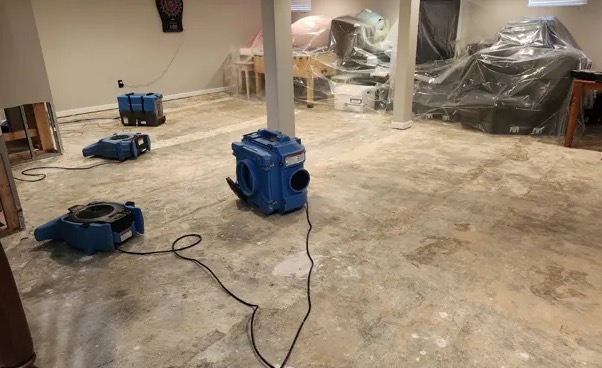
Complete Whole-Building Fire & Smoke Odor Removal for Mid-City Homes & Businesses
After a fire, smoke odor soaks into drywall, wood, fabric, and the air itself. Whole-building deodorization specialists use fogging and ozone to break down odor at its source instead of covering it.
Homes in Mid-City and nearby areas like Baldwin Hills, Culver City and Cheviot Hills share building styles that affect how smoke spreads through attics and walls. The experts fog and ozone-treat the materials found in these homes.
Comprehensive Whole-Building Fire & Smoke Odor Removal Services
Electrostatic Soot Removal
In Mid-City, the pros use electrostatic methods on soot-covered surfaces that would smear under a wet sponge.
HVAC Duct Smoke Cleaning
Pros clean ducts with brushes, vacuums, and cleaning agents, from the main trunks to each register, so soot is not blown back into rooms.
Fire Damaged Material Removal
Burned drywall, melted plastics, and wet insulation cannot be cleaned, so the professionals remove and dispose of them.
Thermal Fogging Deodorization
The fog travels the same way smoke did, into wood, drywall, and insulation, which makes it useful for greasy kitchen fire odors.
Ozone Treatment for Smoke Odor
Ozone treats the full air volume of a room. People, pets, and plants stay out until the space is aired out again.
Warning Signs of Persistent Smoke Odor
Soot Residue on Walls and Ceilings
Black or gray soot on walls and ceilings shows smoke residue that household cleaners tend to smear rather than remove.
Soot in Electrical Outlets
Fine soot inside outlets and behind switch plates shows smoke reached into wall cavities, not just room surfaces.
Smell Emanates From HVAC Vents
A smoky smell coming from vents means the HVAC system is carrying odor from the ducts into every room.
Odor Returns After Opening Windows
When airing out the house does not clear the smell, smoke odor has worked its way into walls, floors, or furniture.
How Whole-Building Fire & Smoke Odor Removal Works in Mid-City
Step 1: Assessment and Containment
Pros check how far smoke spread and set up plastic barriers so odor and soot do not reach clean rooms.
Step 2: Whole-House Air Scrubbing
Air scrubbers with HEPA and carbon filters run continuously to pull soot and odor particles out of the air.
Step 3: Thermal Fogging Deodorization
A heated deodorizing fog is released so it reaches into porous materials and breaks down odor at the source.
Step 4: Surface Cleaning and Sealing
Surfaces are cleaned in detail, then porous ones are sealed with odor-blocking primer before repainting.
What Makes Fire Odor So Difficult to Remove
Improper Initial Odor Mitigation
Air fresheners and surface cleaners only cover the smell and leave the residue that causes it in place.
Inadequate Ventilation During Fire
With windows and doors closed during a fire, smoke stays concentrated indoors and soaks deeper into materials.
Secondary Water Damage
Water used to fight the fire can spread soot into new areas and carry odor into floors and wall cavities.
Absorption Into Soft Furnishings
Couches, carpets, and drapes trap smoke odor and release it slowly for weeks after the fire.
Whole-Building Fire & Smoke Odor Removal for Homes and Businesses
Residential Whole-Building Fire & Smoke Odor Removal
In homes, smoke odor in the HVAC system reaches every room. Pros clean the ducts, use electrostatic soot removal, and treat with ozone while the family is out.
Commercial Whole-Building Fire & Smoke Odor Removal
Commercial buildings have large air volumes to treat. Pros use industrial equipment for air scrubbing, removal of burned material, and sealing across whole floors.
Why Whole-Building Fire & Smoke Odor Removal Requires Fire Restoration Professionals
Lift loose soot with a dry chemical sponge or HEPA vacuum instead of wiping it. Wash fabrics that can be washed. If the smell returns after cleaning, call the experts.
Understanding Whole-Building Fire & Smoke Odor Removal Cost Factors
Labor for removing burned materials and the amount of soot to lift from walls and fabrics both affect the final price.
Affected Material Types
Porous materials like drywall and upholstery often need special treatment or removal, which adds work.
Severity of Smoke Penetration
Heavy smoke residue needs more cleaning passes and repeat treatments than light surface soot does.
Deodorization Method Required
Thermal fogging and ozone treatment use different equipment, and some jobs need both methods.
Does Insurance Cover Whole-Building Fire & Smoke Odor Removal?
Coverage depends on your policy language and the cause of the fire. The professionals document the damage with photos and notes for your claim file.
Why Choose Local Professionals for Whole-Building Fire & Smoke Odor Removal
HVAC System Decontamination
Ducts are cleaned so the HVAC system does not keep pushing smoke odor through the building after cleanup.
Specialized Odor Removal Equipment
Ozone generators, thermal foggers, and HEPA scrubbers are built for odor work that household tools cannot do.
Thorough Soot Removal
Electrostatic cleaning removes fine soot from surfaces, which has to happen before deodorizing can work.
Emergency Deodorization Services for Mid-City
Deodorizing works better before odor settles deep into walls and furniture. Call (424) 352-7369 at any hour for an initial assessment of the smoke damage.
Call Now (424) 352-7369Areas Served for Whole-Building Fire & Smoke Odor Removal
Other places served are listed below, each with its own page.
- Whole-Building Fire & Smoke Odor Removal in Culver City
- Whole-Building Fire & Smoke Odor Removal in Beverly Hills
- Whole-Building Fire & Smoke Odor Removal in El Segundo
- Whole-Building Fire & Smoke Odor Removal in Las Flores
- Whole-Building Fire & Smoke Odor Removal in View Park-Windsor Hills
- Whole-Building Fire & Smoke Odor Removal in Inglewood
- Whole-Building Fire & Smoke Odor Removal in Ladera Heights
- Whole-Building Fire & Smoke Odor Removal in Lennox
Understanding Whole-Building Fire & Smoke Odor Removal: Frequently Asked Questions
What materials typically require fire damaged material removal?
Charred wood, melted plastics, contaminated insulation, and anything that cannot be cleaned or is unsafe are removed and disposed of.
Are personal belongings safe during ozone treatment?
People, pets, and plants must stay out during treatment. Most belongings can stay, though pros may remove items made of rubber or other sensitive materials.
How is success measured in fire smoke odor elimination?
Pros check each room for remaining smoke odor after treatment and may use particle counters to confirm the air is clean.
When is surface sealing for residual odor used?
Sealers go on porous surfaces like concrete or framing as a final step, holding in any remaining odor molecules before rebuilding.
Is whole-house air scrubbing run continuously?
Yes. Industrial HEPA scrubbers run for long periods through the cleanup, filtering fine soot and odor particles from the air.