West Los Angeles, CA · Los Angeles County
Attic Water Damage Restoration in West Los Angeles, CAWet Attic Insulation Removal & Roof Leak Water Removal
Attic Water Damage Restoration in West Los Angeles runs from roof leak water removal and attic leak water cleanup to attic drying services.
Answered 24/7
Get Help with Attic Water Damage Restoration in West Los Angeles
In West Los Angeles, attics get hot in summer and damp in cooler months. That cycle matters after a leak: heat can speed drying, but poor ventilation can trap moisture and keep wood damp.
In West Los Angeles, Westwood, Cheviot Hills and Sawtelle, many attics hold air handlers and water heaters as well as insulation. The pros handle water from any of them, along with roof leaks.
Available Attic Water Damage Restoration Work in West Los Angeles
Wet Attic Insulation Removal
Blown-in insulation that got wet clumps and packs down. It is vacuumed out of the affected area and replaced after the attic is dry.
Roof Leak Water Removal
Rain that came through damaged shingles, flashing or vents is removed from the attic, and the leak location is marked for the roofer.
Emergency Attic Water Extraction
Water in the attic quickly becomes a ceiling problem. Fast extraction keeps the ceiling drywall below from sagging and falling.
Ceiling Water Damage Cleanup
Damaged ceiling drywall below the attic is removed, the cavity is dried, and the ceiling is ready for patching once readings are normal.
Attic Drying Services
Air movers and dehumidifiers dry rafters, joists and roof decking. Attic heat speeds drying in summer, while cooler months need more dehumidification.
Warning Signs You Need Attic Water Damage Restoration
Peeling Paint or Wallpaper
Paint that bubbles or peels on upstairs ceilings and walls often has water behind it.
Rust on Nails or Vents
Rusted nail tips, vent flanges or metal straps in the attic point to repeated moisture.
Crumbling Drywall Tape
Ceiling drywall tape that bubbles, cracks or peels usually means water is soaking the seams.
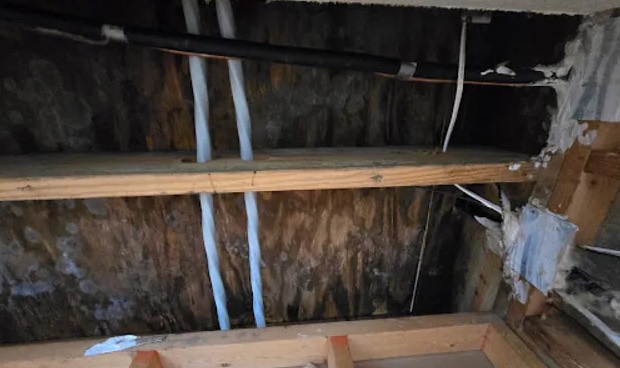
Visible Mold in Attic
Dark spots on roof decking or rafters mean the wood has stayed damp for some time.
How Attic Water Damage Restoration Works in West Los Angeles
Step 1: Initial Assessment and Water Removal
The pros find the source, check safety in the attic and remove standing water and wet debris.
Step 2: Wet Attic Insulation Removal
Soaked batts or blown-in insulation are bagged and removed so the wood and drywall can dry.
Step 3: Targeted Attic Drying Process
Drying equipment is aimed at the wet framing and ceiling, and moved as areas reach normal readings.
Step 4: Sanitization and Mold Prevention
Once dry, decking and rafters that stayed wet can be cleaned and treated with an antimicrobial.
Frequent Origins of Attic Flooding
Burst or Leaking Plumbing Pipes
Supply lines and water heaters in the attic can leak or burst directly onto the ceiling.
Attic Appliance Leaks
AC air handlers in the attic overflow when the condensate line clogs or the pan cracks.
Storm Damage From Wind or Hail
Wind and hail can tear shingles or puncture the roof, letting rain in during the storm.
Overflow From Bathroom Exhaust Fans
Bathroom fans that vent into the attic, or have disconnected ducts, release moisture onto the decking.
Attic Water Damage Restoration for All Property Types in West Los Angeles
Residential Attic Water Damage Restoration
In two-story homes, an attic leak can affect both upstairs ceilings and the walls below them. Each wet area is checked with a meter and dried.
Commercial Attic Water Damage Restoration
Flat-roof commercial buildings often have leaks that travel before dripping. The pros trace the water path to find every wet section above the ceiling.
Handling Attic Water Damage: DIY Risks vs. Pro Help
Fixing the roof stops new water but does not dry what is already wet. After any roof repair, have the attic checked for damp insulation and wood.
Understanding Attic Water Damage Restoration Pricing
Roof repair is a separate cost from water removal and drying. In West Los Angeles, both are usually needed after a roof leak.
Affected Attic Materials
Wet insulation, decking and ceiling drywall that must be removed add labor and disposal costs.
Size and Accessibility
Low, tight attics take longer to work in than tall attics with easy access.
Mold Prevention Measures
Antimicrobial treatment of decking and rafters that stayed wet is an added cost.
Does Insurance Cover Attic Water Damage Restoration?
Ceiling damage below an attic leak is usually handled as part of the same claim. Make sure the adjuster sees both the attic and the room below.
Selecting Local Pros for Attic Water Damage Restoration in West Los Angeles, CA
Detailed Documentation
Photos, readings and drying logs are kept to support your insurance claim.
24/7 Emergency Response
Help is available day or night when rain or a burst pipe is pouring water into the attic.
Roof Leak Location
The leak point is marked and photographed so the roofer can fix the right spot.
24/7 Emergency Attic Water Damage Restoration in West Los Angeles
A wet attic soaks the ceiling below within hours. Call (424) 352-7369 for attic water damage restoration in West Los Angeles at any time of the day or night.
Call Now (424) 352-7369Local Attic Water Damage Restoration Coverage Area
Each place listed below has its own page with local details.
- Attic Water Damage Restoration in Westwood
- Attic Water Damage Restoration in Cheviot Hills
- Attic Water Damage Restoration in Sawtelle
- Attic Water Damage Restoration in Palms
- Attic Water Damage Restoration in Brentwood
- Attic Water Damage Restoration in Del Rey
- Attic Water Damage Restoration in Culver City
- Attic Water Damage Restoration in Mar Vista
Attic Water Damage Restoration Information and Answers
What are the first steps after finding attic water damage?
Catch active drips, move belongings out of the room below, keep away from sagging ceilings and call for an inspection and water removal.
Why is an attic moisture inspection important after a leak?
Water spreads along rafters and insulation away from the drip point. Meters find all of it, so nothing is left wet.
Does a roof leak always cause attic mold growth?
No. Mold is more likely when wood and insulation stay wet for days, so drying is the main way to prevent it.
How long does the attic drying process take?
Often several days, depending on how wet the wood is, the attic temperature and how much insulation was removed.
What is involved in emergency attic water extraction?
Catching active drips, removing pooled water from decking and drywall tops, and starting drying before the ceiling below is ruined.